The difference between vegetable tanned vs chrome tanned leather comes down to chemistry, time, and what you want from a leather good over its full lifespan. These are the two dominant tanning methods used in leather production today, and the choice between them shapes how the leather feels, how it ages, and how it interacts with the environment. This is not a case where one is always better — but for certain uses, and for buyers who care about long-term quality, the differences matter a great deal.
Here is a plain-language breakdown of both methods, how they compare on every dimension that matters to a buyer, and where Arbor Trading Post’s own leather sourcing fits into this picture.
What Is Tanning, and Why Does It Matter?
Raw animal hide degrades rapidly. Tanning is the process of treating the hide to stabilize the proteins in the skin, making it supple, durable, and resistant to decomposition. Without tanning, a hide would rot. With it, you have leather — a material that, handled properly, can outlast most things you own.
The tanning method determines the character of the resulting leather at a fundamental level. The two dominant methods — vegetable tanning and chrome tanning — produce materials so different in hand, behavior, and aging that experienced leather workers can identify them by touch and smell alone.
Vegetable Tanning: The Traditional Method
Vegetable tanning uses tannins — naturally occurring compounds found in tree bark, roots, and plant matter — to cure the hide. The hides are submerged in a series of increasingly concentrated tannin baths over a period of weeks to months. The slower the process, the more deeply the tannins penetrate the hide.
This is the older of the two methods by thousands of years. It is still practiced by a small number of tanneries worldwide, most notably in Tuscany, where the leatherworking tradition has been unbroken since the Renaissance.
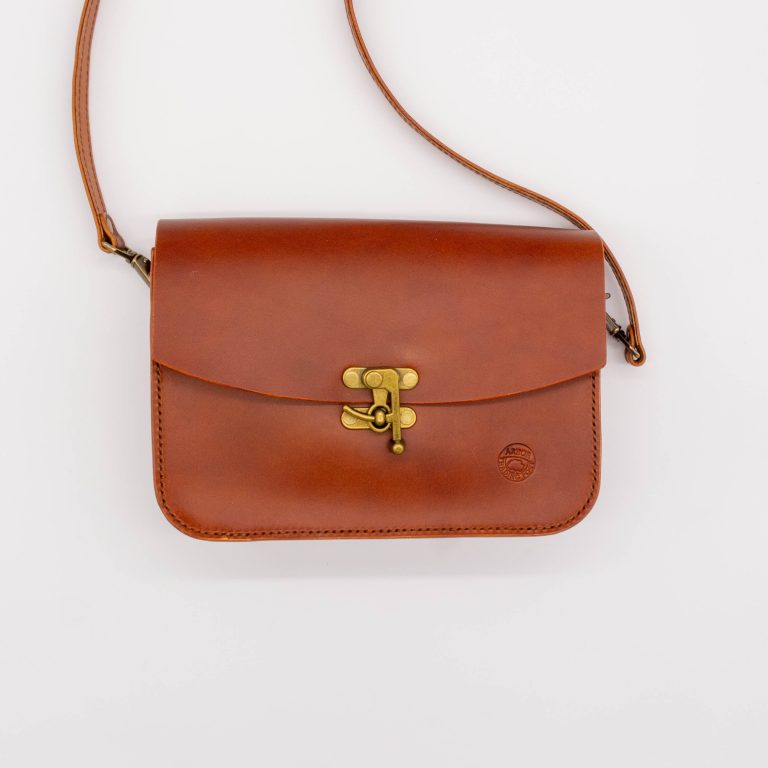
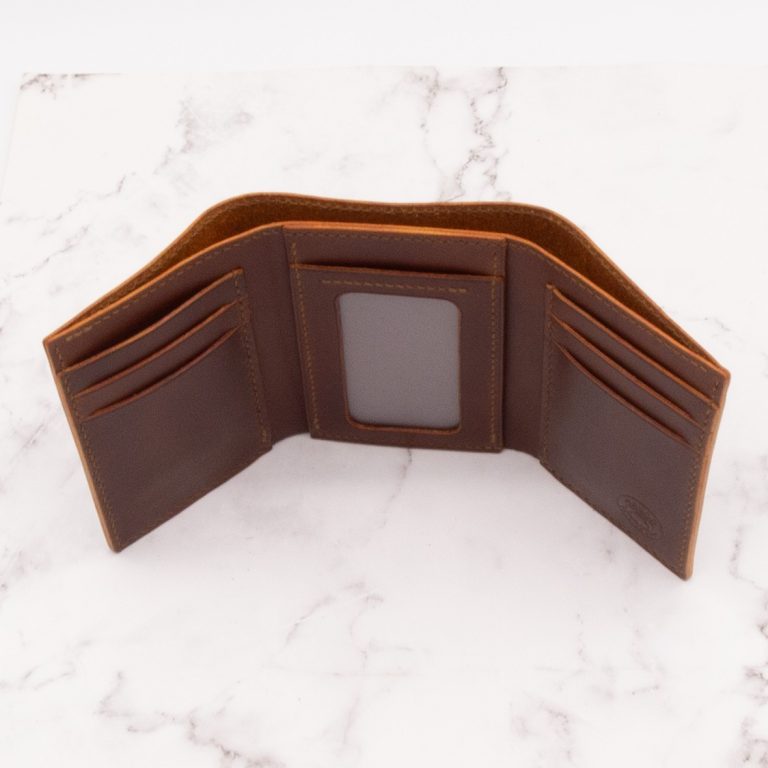
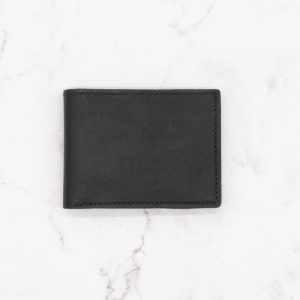
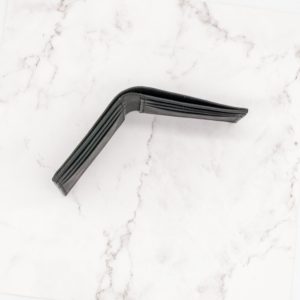
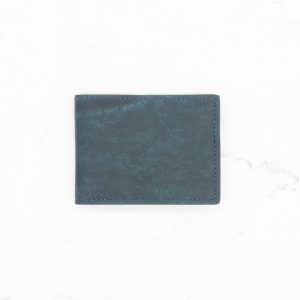
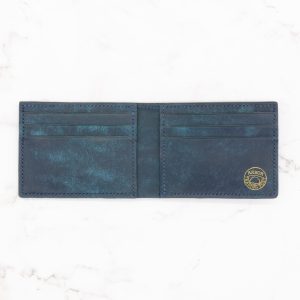
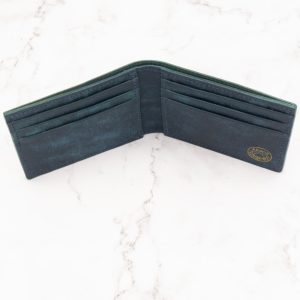
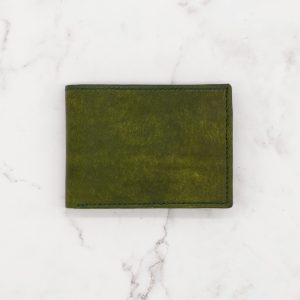
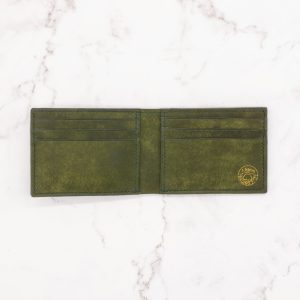
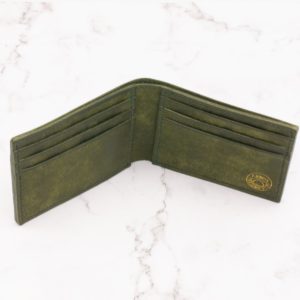
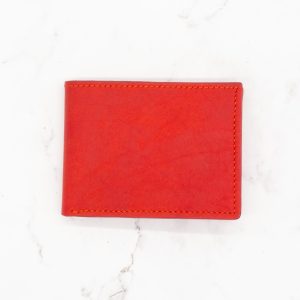
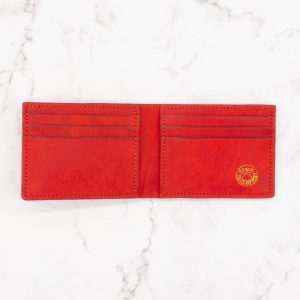
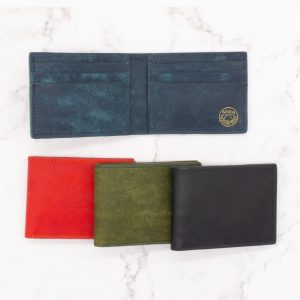
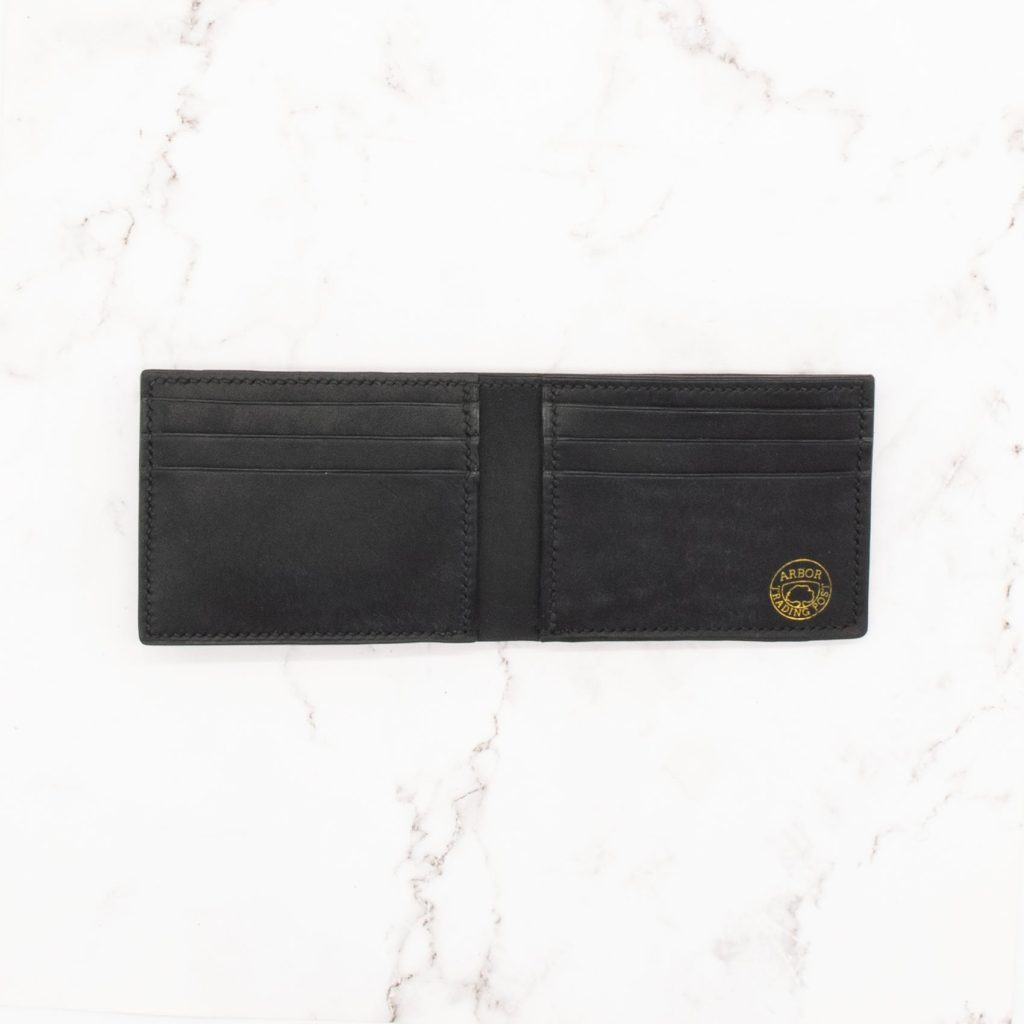
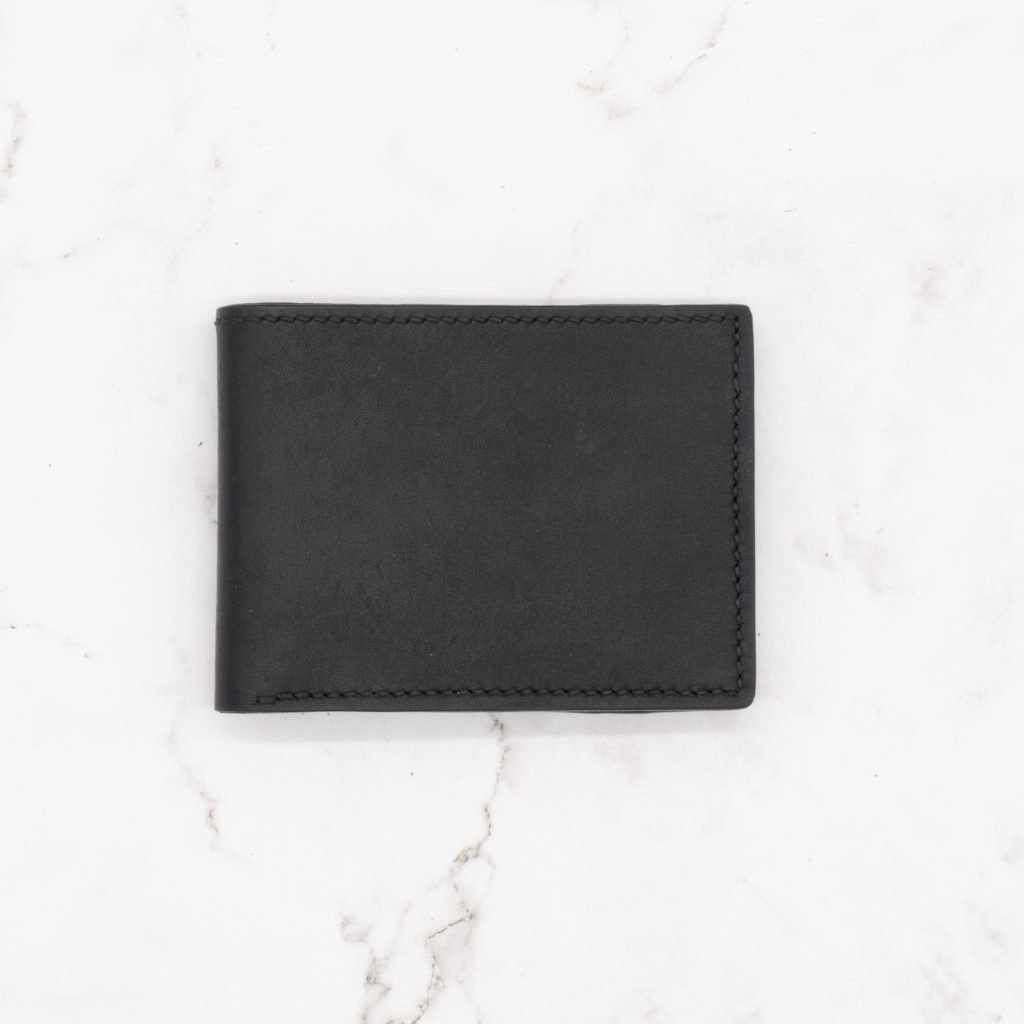
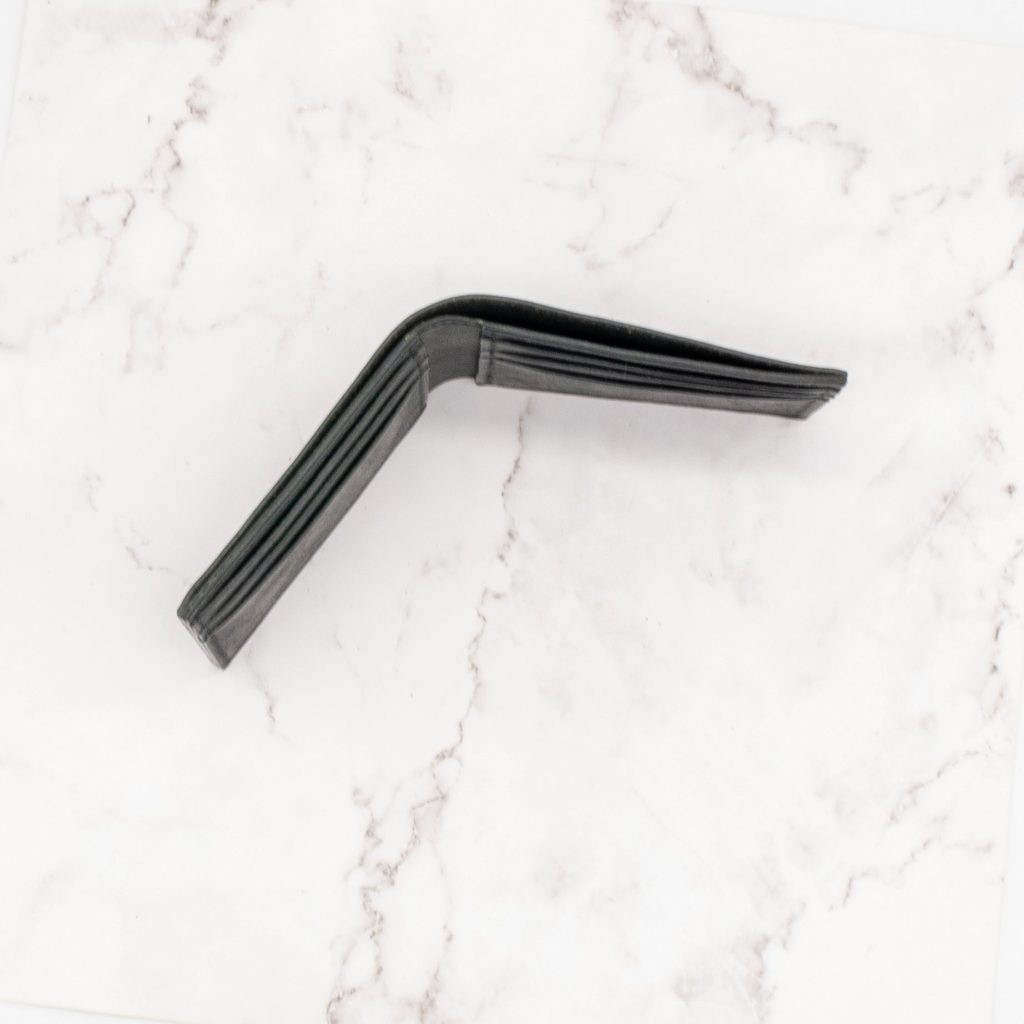
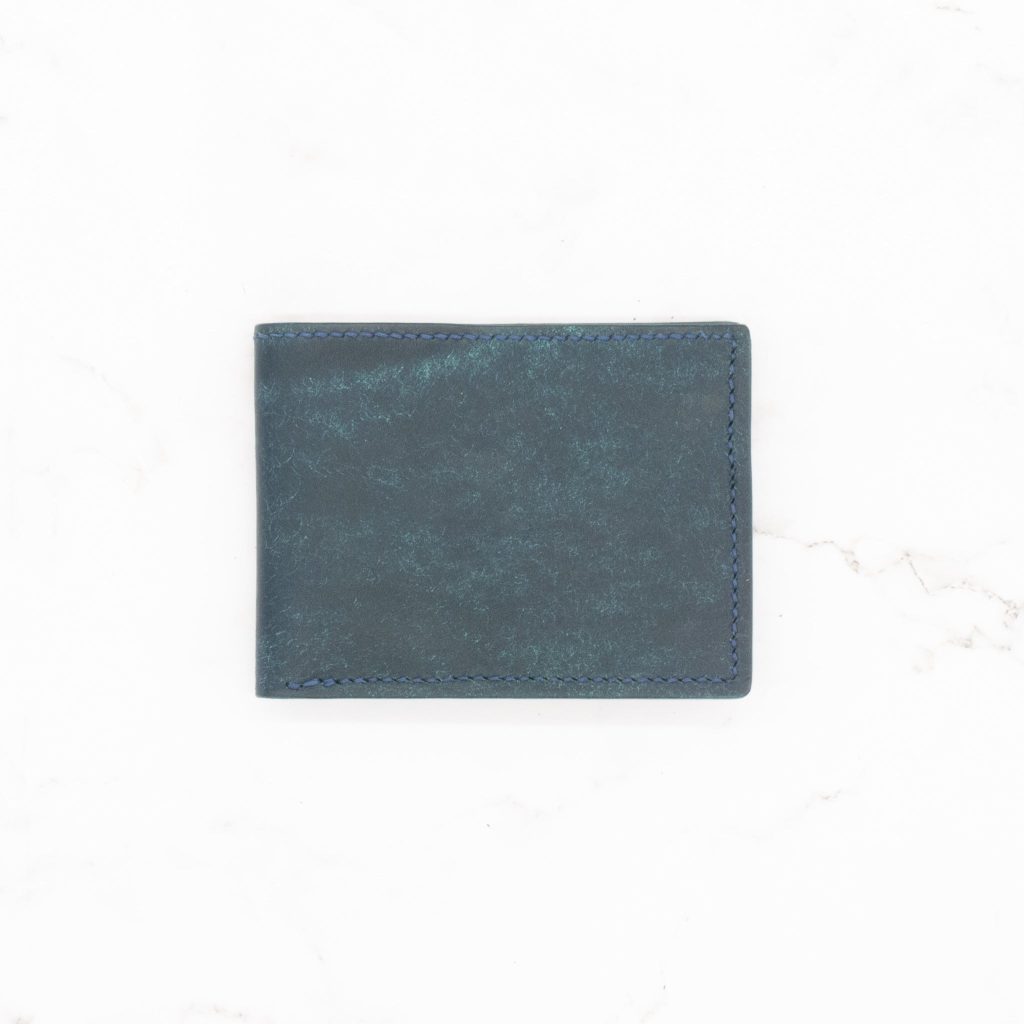
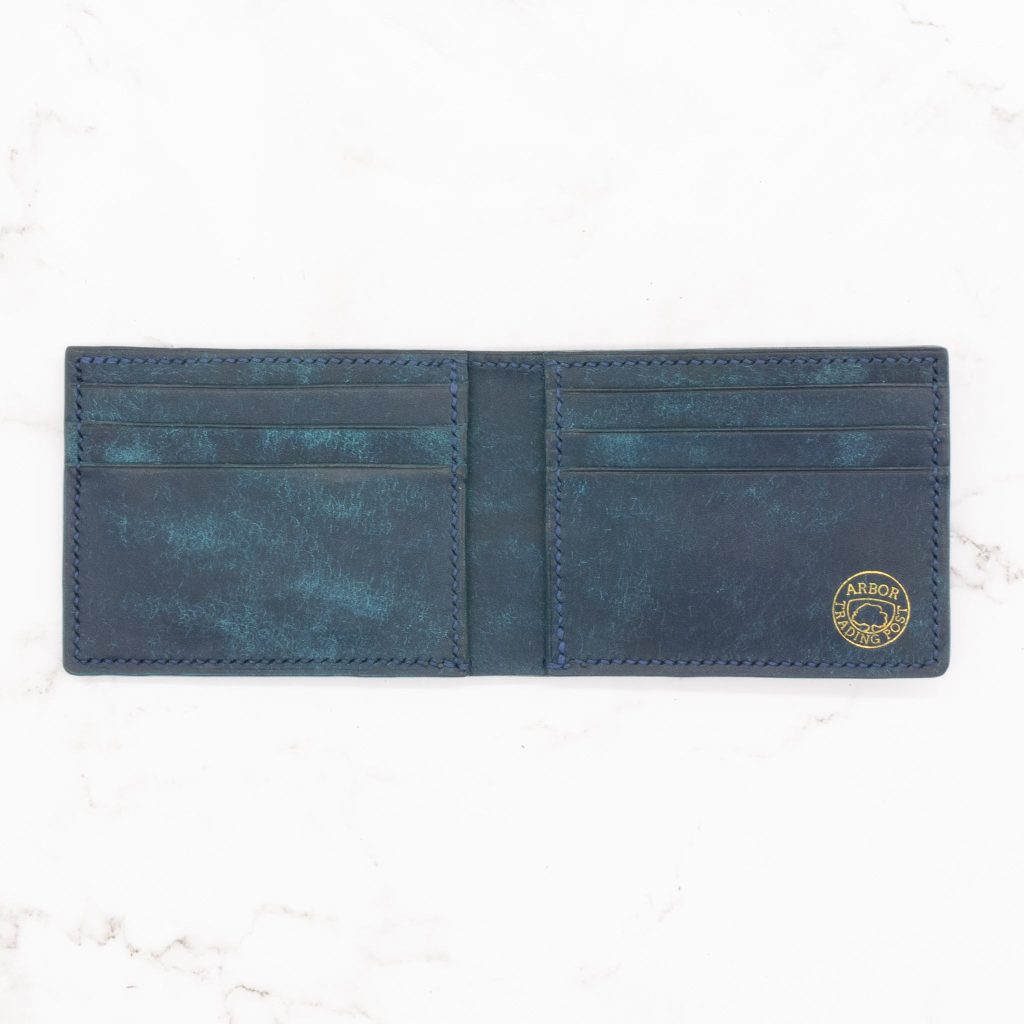
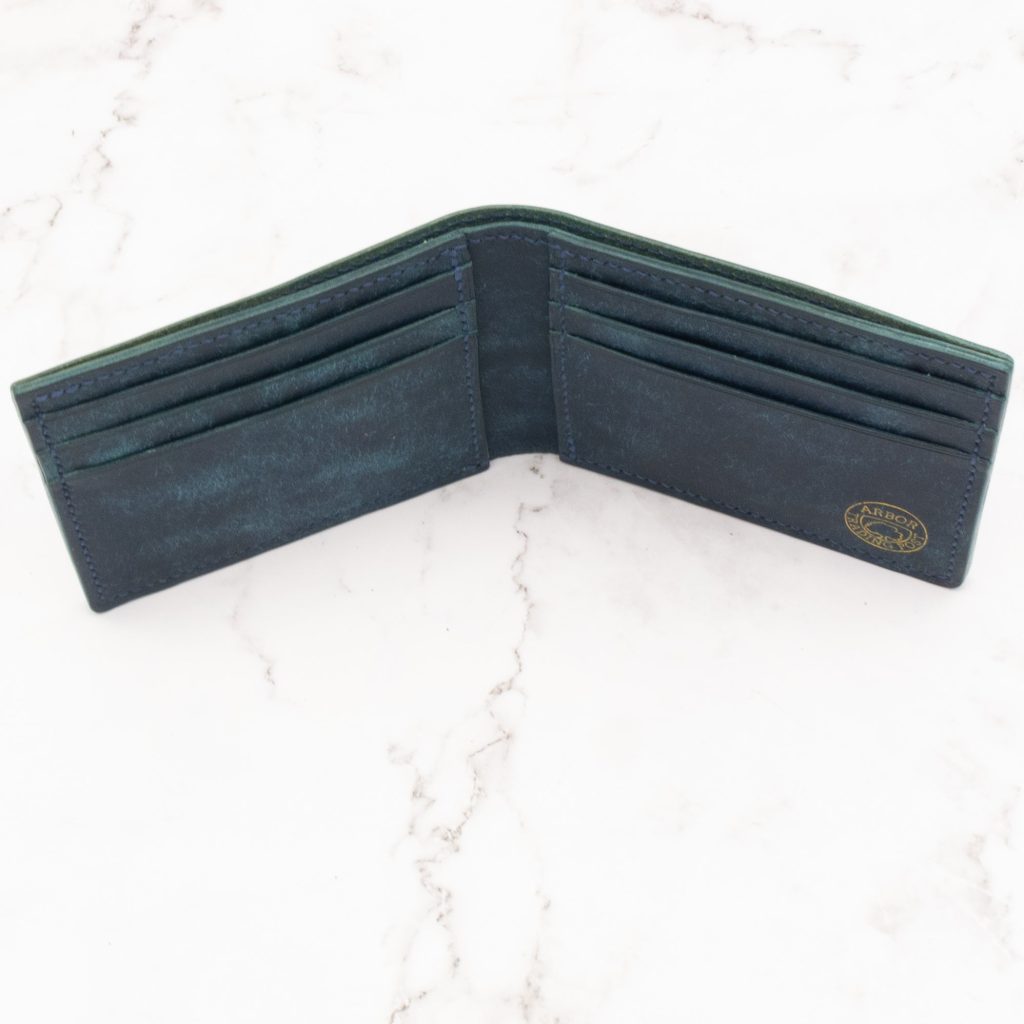
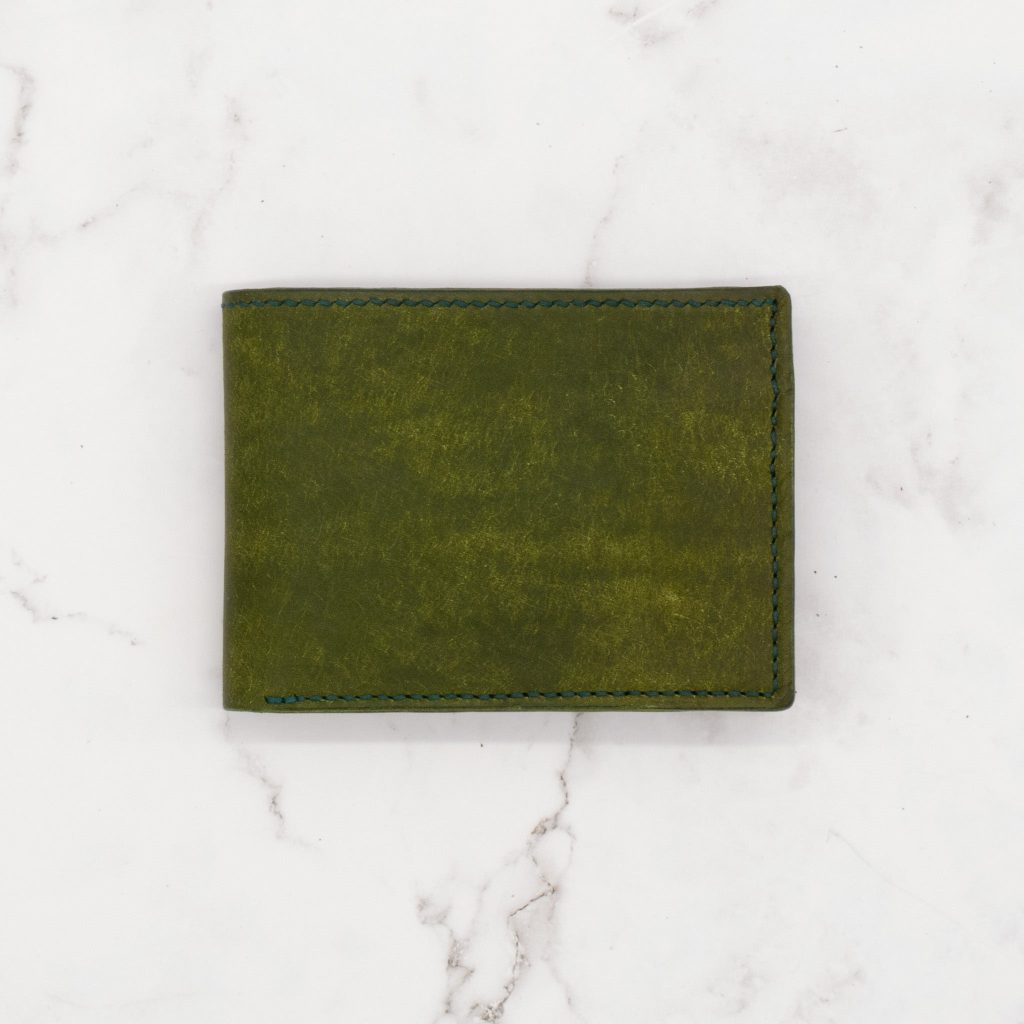
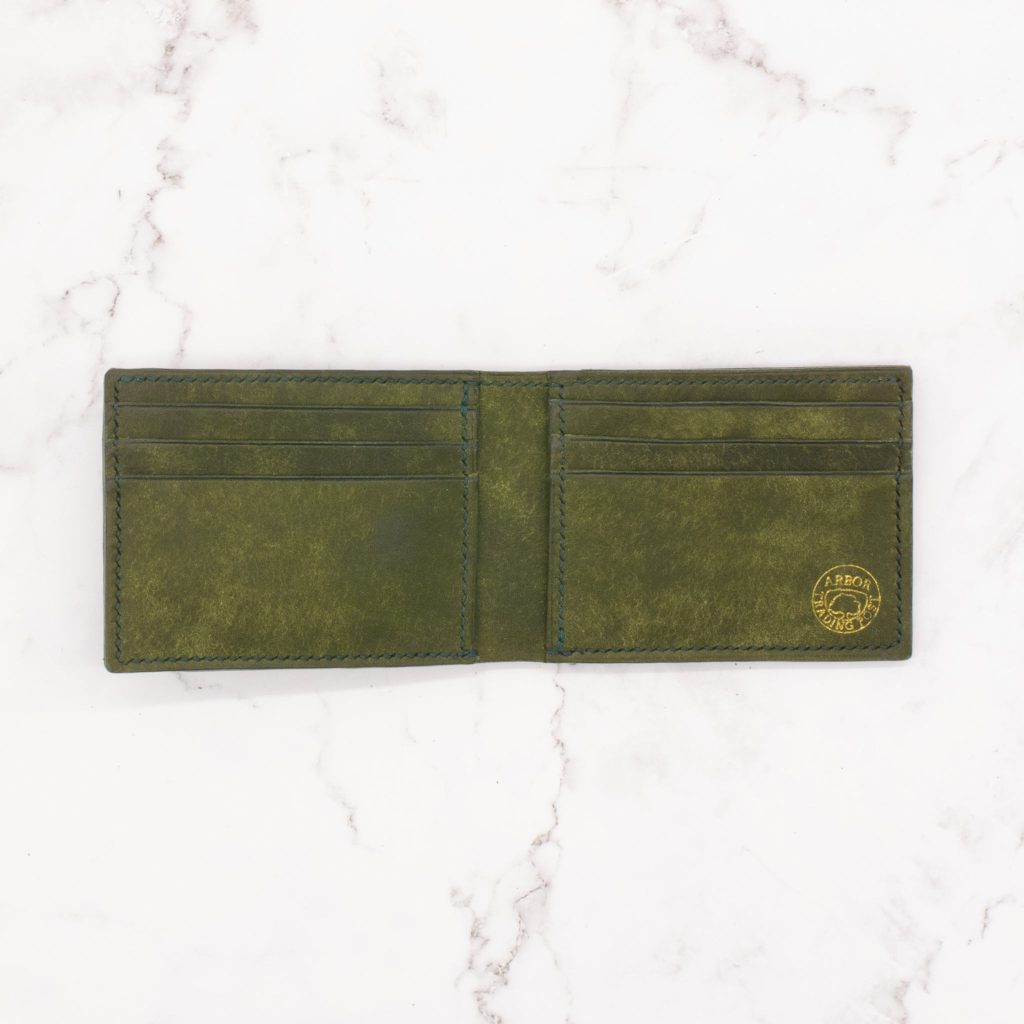
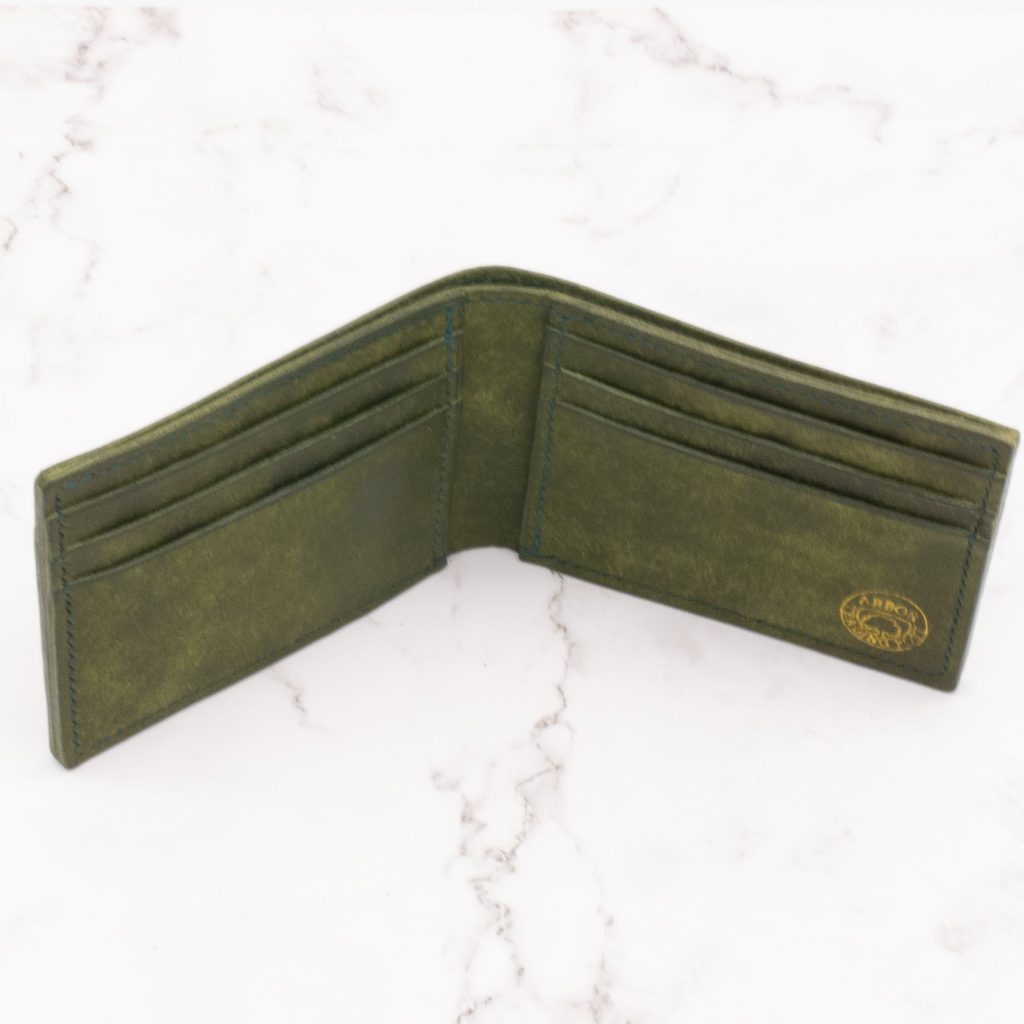
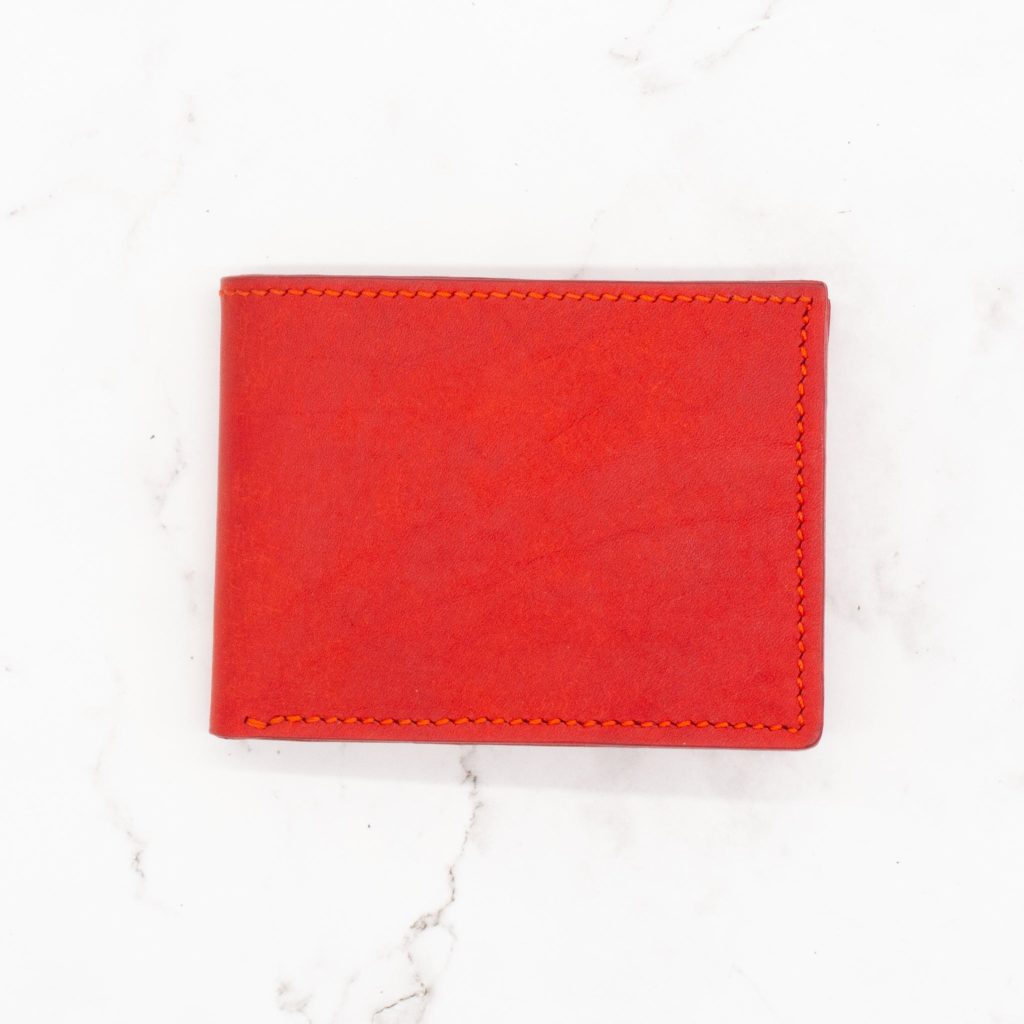
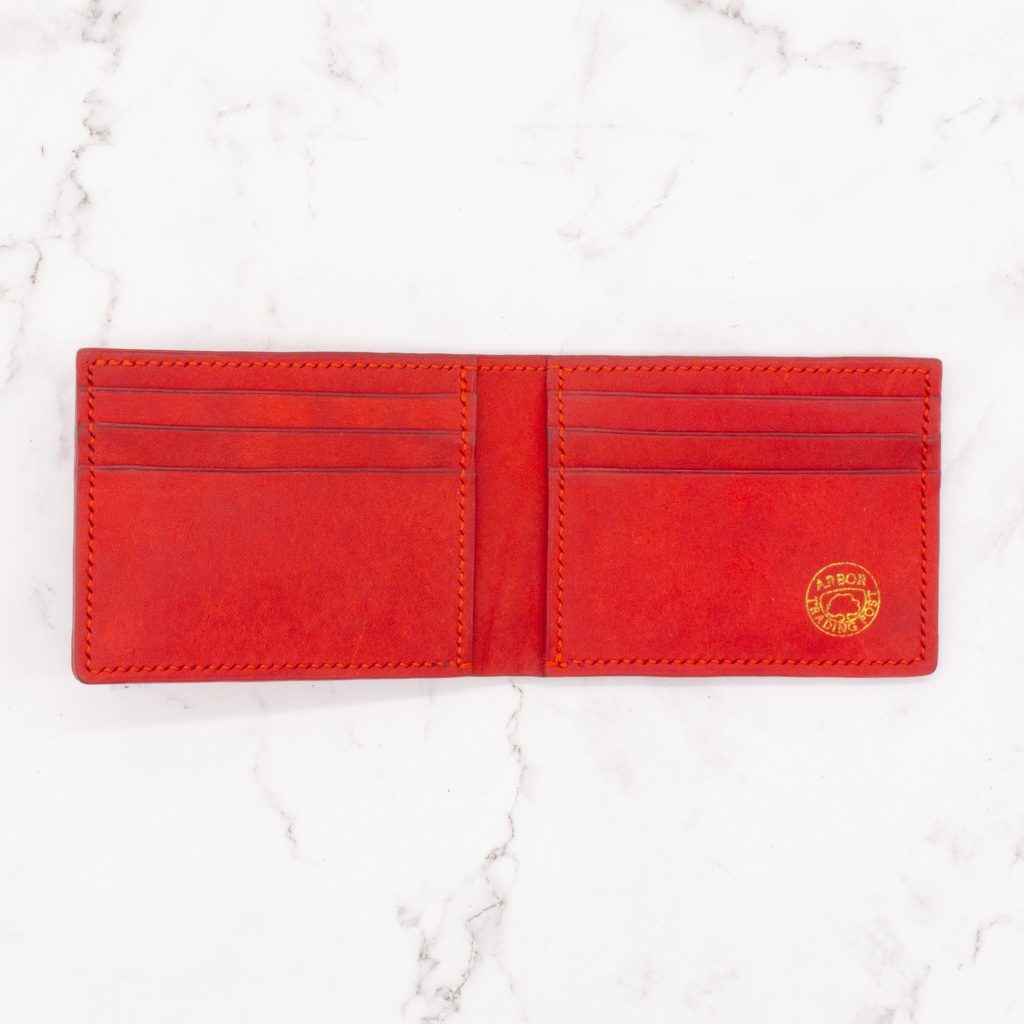
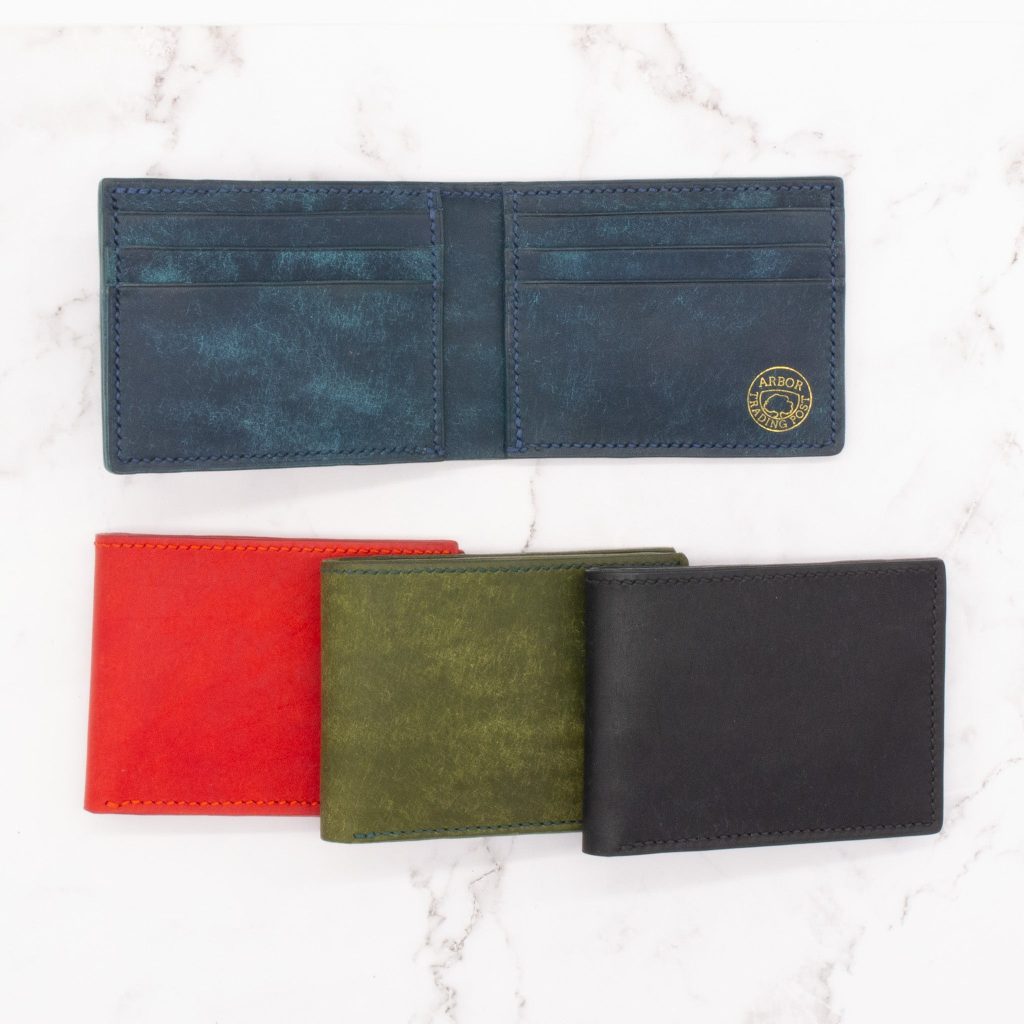
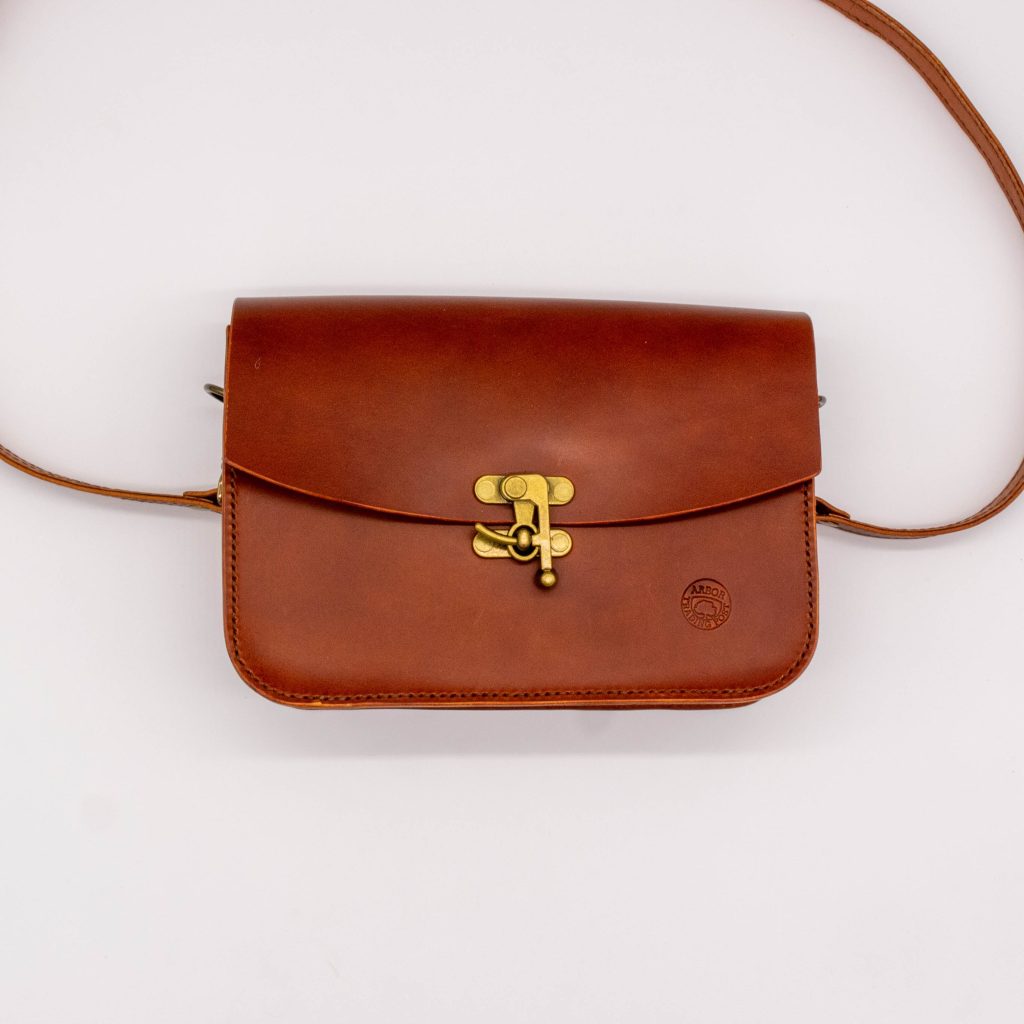
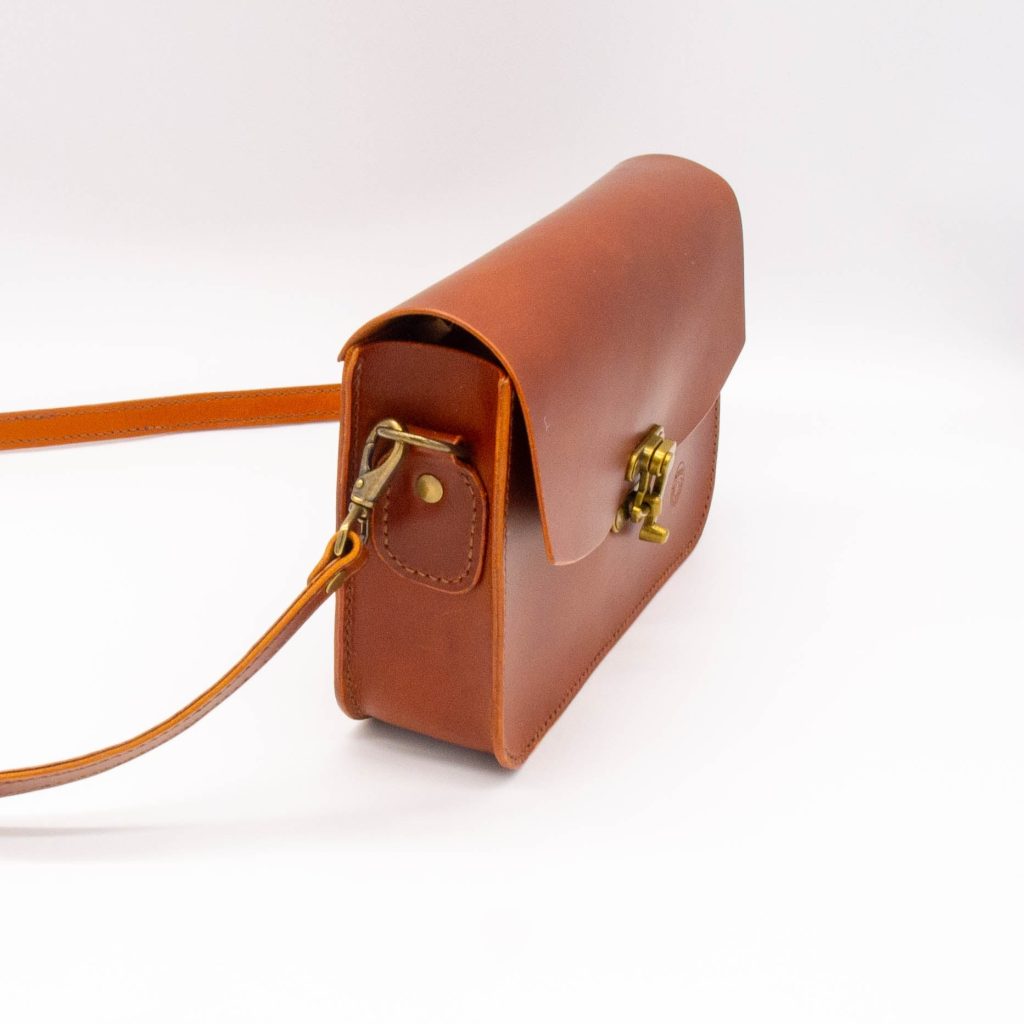
Consider Badalassi Carlo, the Tuscany-based tannery whose leather we use at Arbor Trading Post. Located in the Valdarno district south of Florence, they produce vegetable-tanned hides using methods that have changed little in centuries. The leather they produce — particularly their Wax Pull Up and Minerva Box lines — is prized among leather craftspeople for its density, its response to hand finishing, and its capacity to develop a rich patina over time.
How Veg-Tan Leather Feels and Behaves
Fresh from the tannery, vegetable-tanned leather is typically firmer and stiffer than chrome-tanned leather. It requires a break-in period. Over weeks and months of use, it softens and conforms to how you carry and handle it — developing a shape and character specific to the individual owner.
Key characteristics of vegetable-tanned leather:
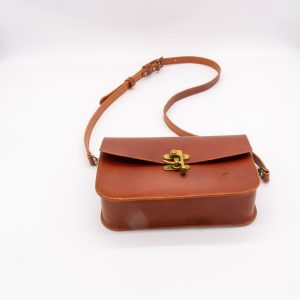
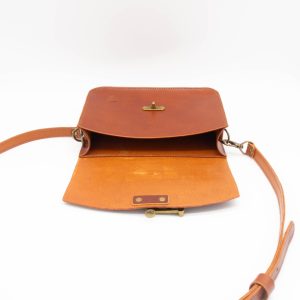
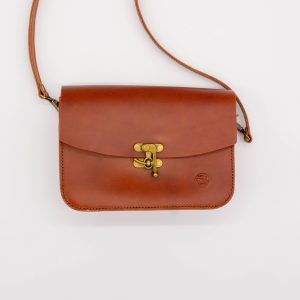
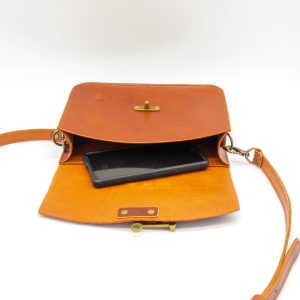
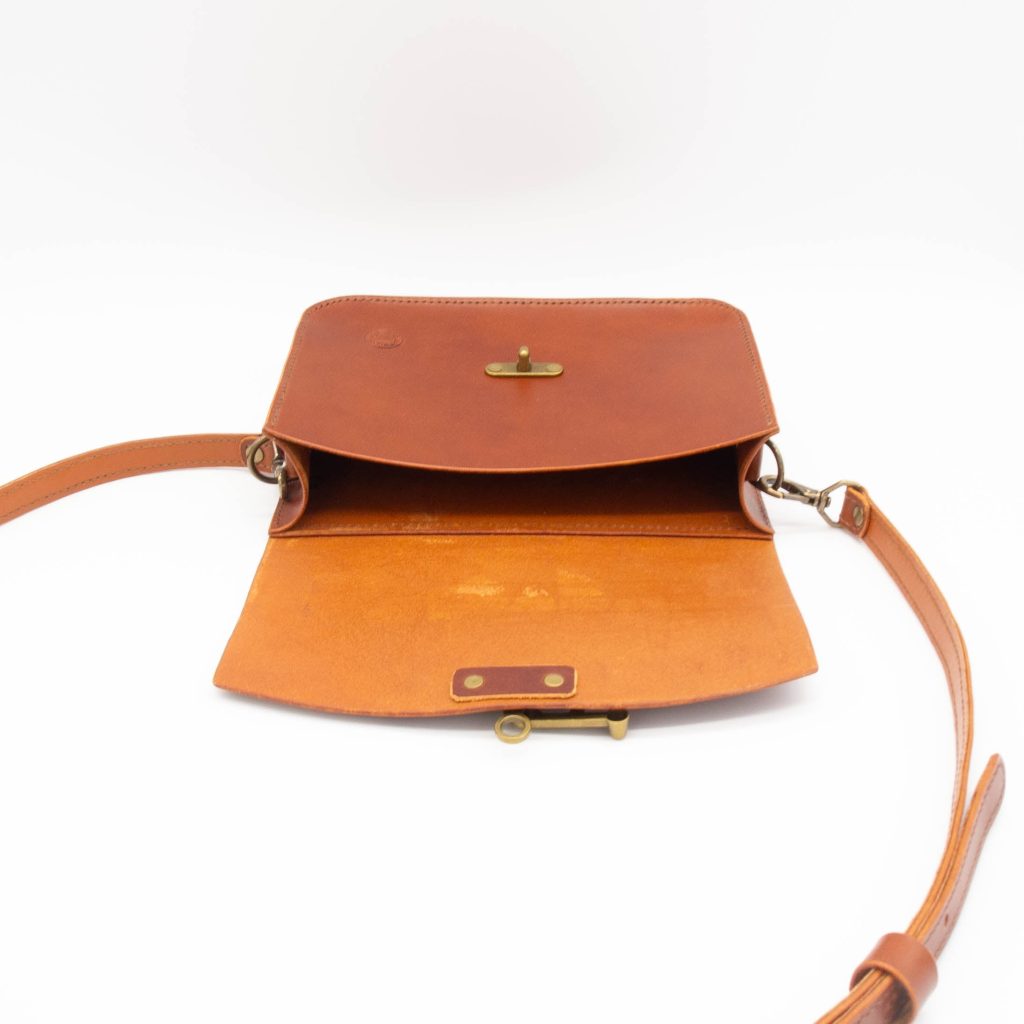
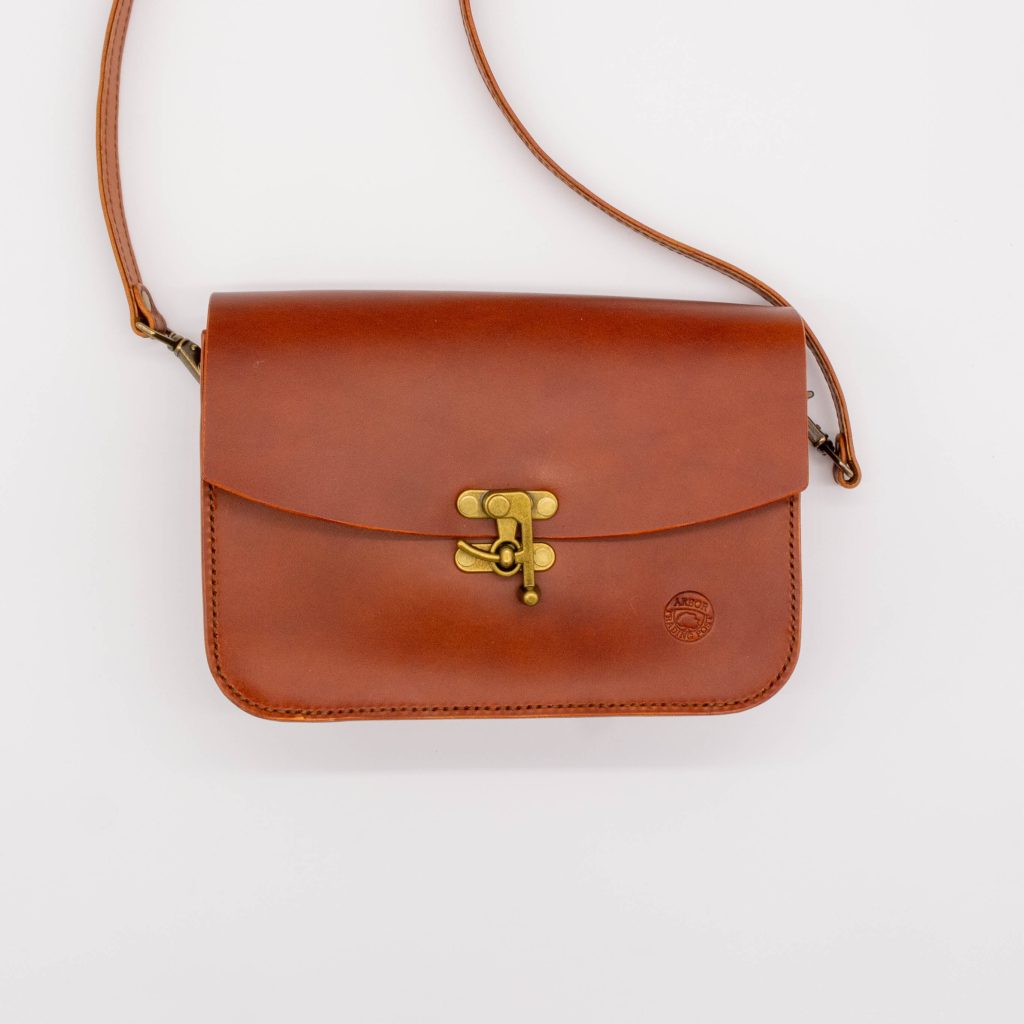
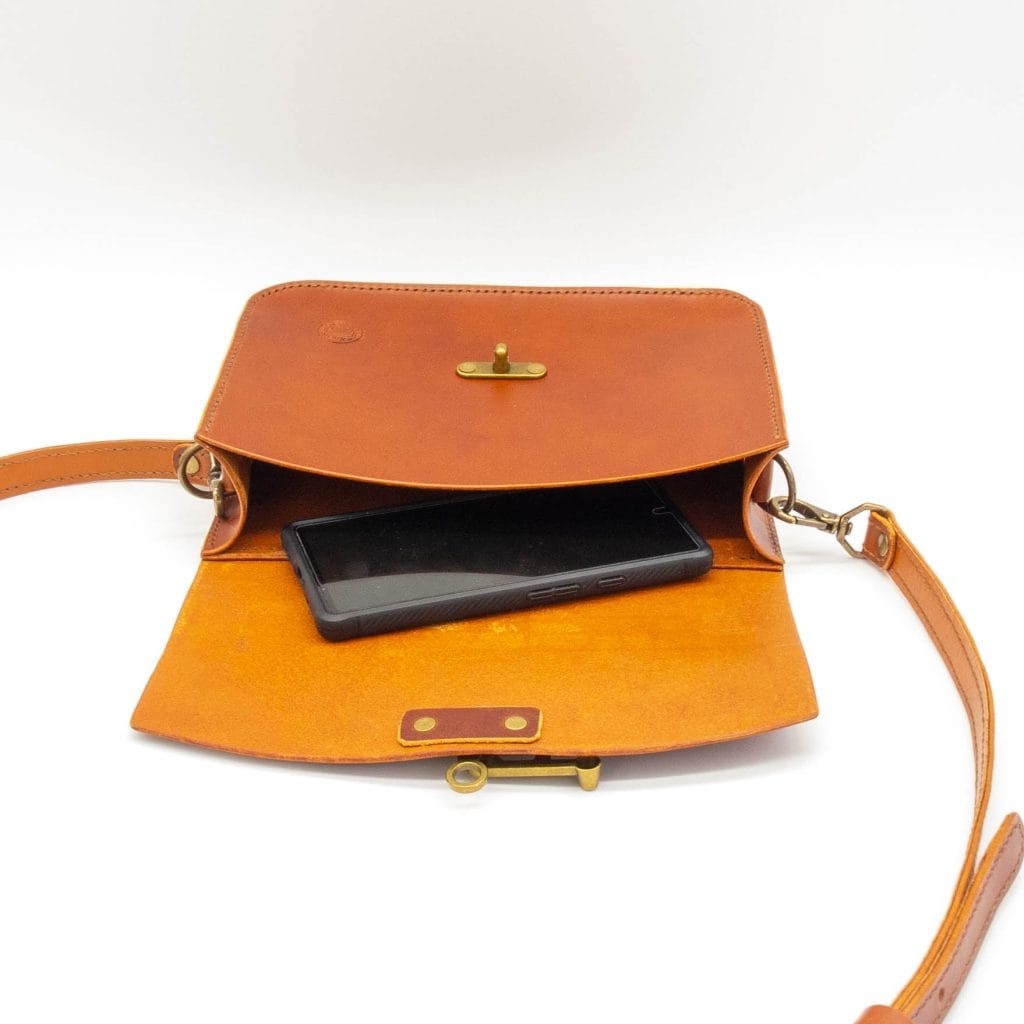
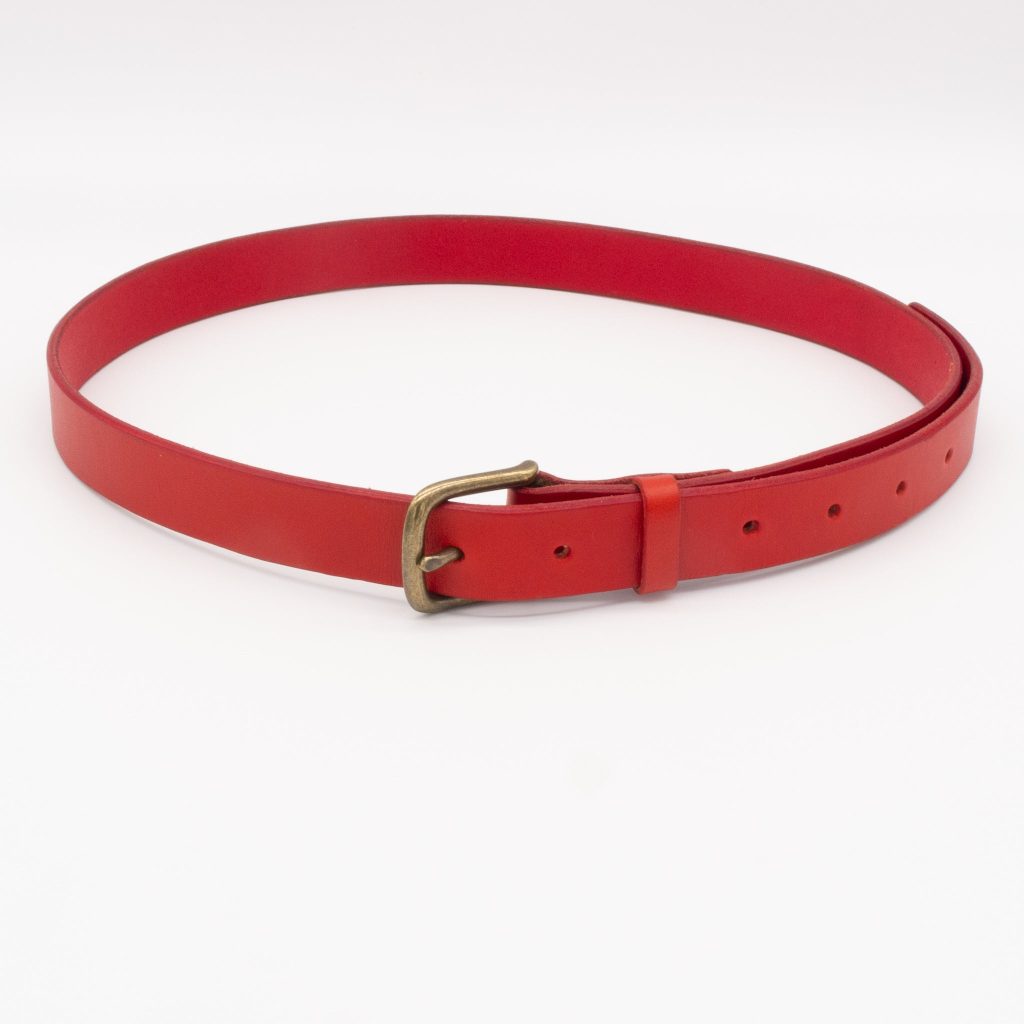
- Firmness and structure: Veg-tan holds its shape well. This makes it ideal for structured bags, wallets that develop their own crease patterns, and belts that maintain their profile.
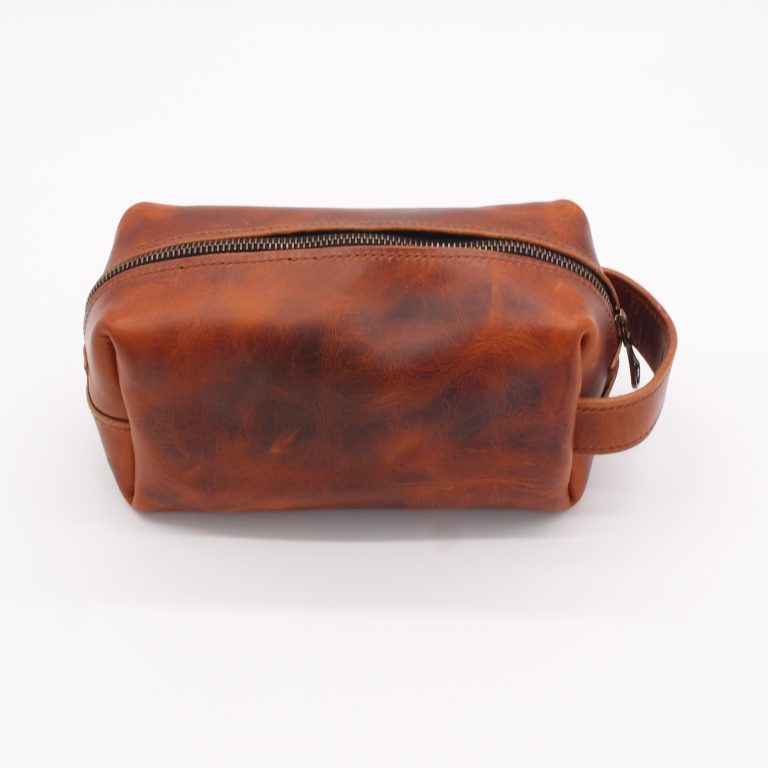
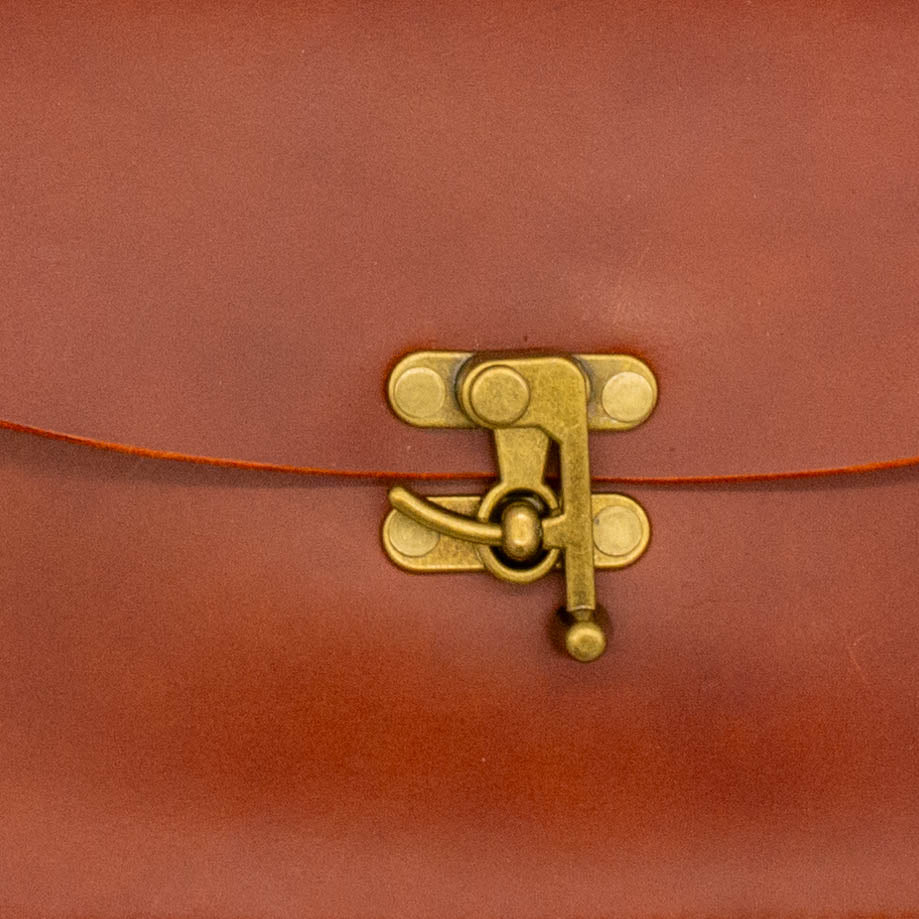
- Patina development: This is the defining quality. As the leather absorbs oils from your hands, light, and normal use, it darkens and deepens — not uniformly, but in the places where it is handled most. Over years, this creates a surface that is genuinely personal to its owner.
- Natural smell: Vegetable-tanned leather has a clean, earthy, distinctive smell — the result of plant tannins rather than chemical treatments. Many people find it one of the most pleasant material scents that exists.
- Moisture sensitivity: Veg-tan is more susceptible to water spotting than chrome-tan, particularly early in its life. Regular conditioning with a quality leather conditioner significantly reduces this risk and supports healthy aging.
- Repairability: Veg-tan leather can be reconditioned, re-dyed, and re-finished by a skilled craftsperson. Damage that would retire a chrome-tanned piece can often be addressed in veg-tan.

Chrome Tanning: The Industrial Method
Chrome tanning uses chromium salts dissolved in an acidic solution to cure the hide. The process is dramatically faster — where vegetable tanning takes weeks, chrome tanning can be completed in a day or two. This speed advantage made chrome tanning the dominant method from the mid-20th century onward; today, approximately 85–90% of all leather produced globally is chrome-tanned.
Chrome tanning is not inherently inferior — it produces leather with specific properties that are genuinely useful in certain contexts.
How Chrome-Tan Leather Feels and Behaves
Chrome-tanned leather is softer and more pliable immediately out of the tannery. It does not require the same break-in period and tends to feel more immediately comfortable. It is also more resistant to water and humidity, which makes it practical for certain uses.
Key characteristics of chrome-tanned leather:
- Immediate softness: Chrome-tan feels soft and broken-in right away, without the stiffness of fresh veg-tan.
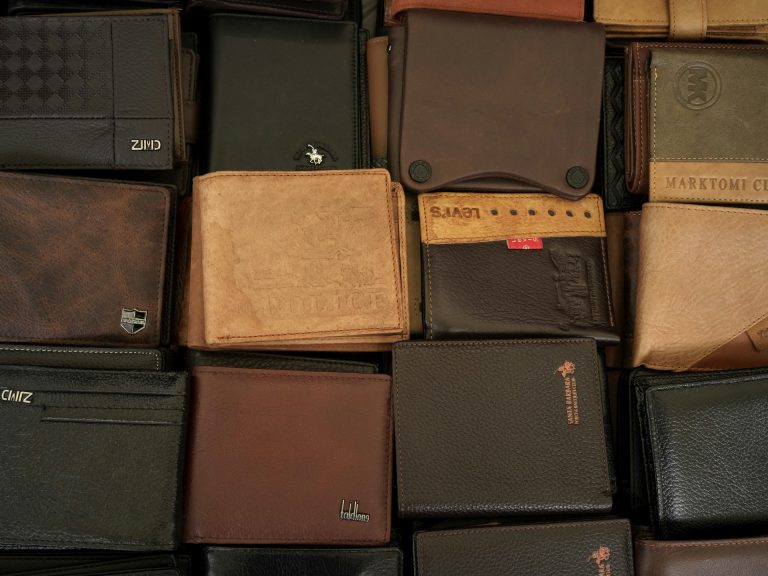
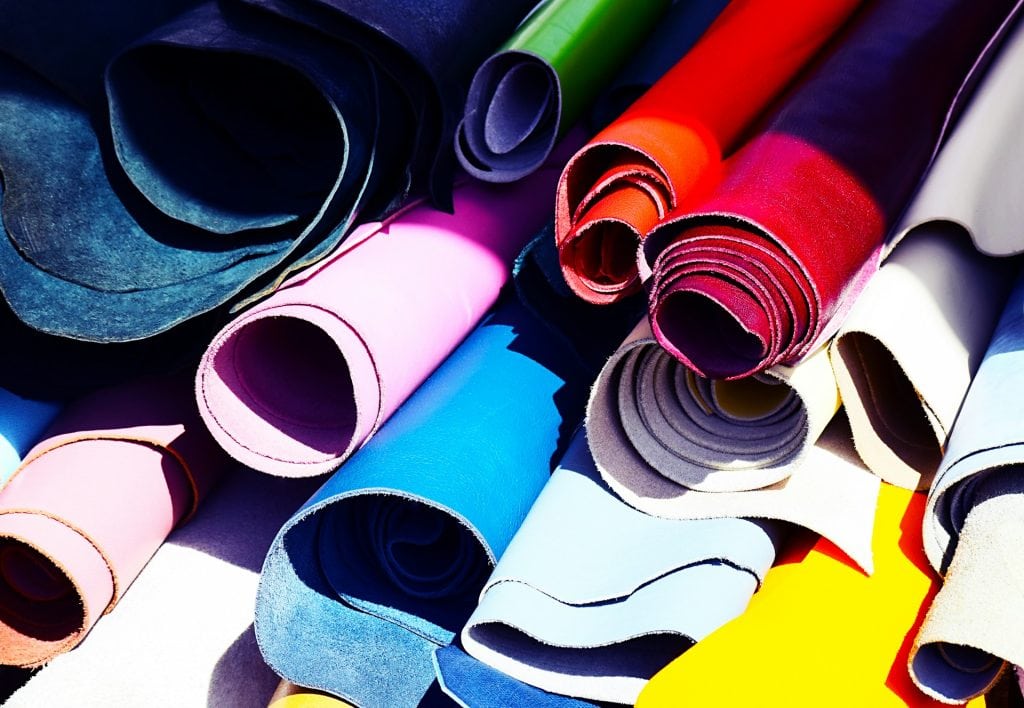
- Color consistency: The chrome tanning process accepts dyes more uniformly, making it easier to produce consistent colors across a production run. This is why most fashion leather goods — handbags, shoes from volume manufacturers — use chrome-tan.
- Water resistance: Chrome-tanned leather is less susceptible to water spotting and humidity.
- Limited patina: The tradeoff is aging character. Chrome-tanned leather does not develop patina the same way. It tends to wear flat over time — fading, scuffing, or softening without the deepening quality that veg-tan develops. It ages, but it does not age beautifully.
- Less repairability: Chrome-tanned leather is more difficult to recondition and refinish because the chrome tanning creates a more chemically stable (but less receptive) surface.
Environmental Considerations
This is an area where the two methods differ meaningfully, and where nuance matters.
Vegetable tanning uses natural plant tannins and produces less hazardous waste in the tanning process. The primary environmental challenges of veg-tan are land use (cattle farming) and water use in the tanning baths — both significant, but not unique to the tanning method itself.
Chrome tanning produces chromium-containing wastewater that requires careful treatment and disposal. When managed by responsible tanneries with proper infrastructure, this is handled adequately. When managed poorly — which is common in low-cost production regions — chromium contamination is a serious environmental problem. The environmental risk of chrome-tanned leather varies enormously by tannery and country of origin.
Our Tuscan tanneries operates under European Union environmental standards, which are among the strictest in the world. This applies whether you are discussing water treatment or working conditions. Similarly, our American tanneries use traditional methods carefully honed over centuries.
Vegetable Tanned vs. Chrome Tanned: Side-by-Side
| Feature | Vegetable Tanned | Chrome Tanned |
|---|---|---|
| Tanning process | Plant tannins, weeks to months | Chromium salts, 1–2 days |
| Initial feel | Firm, stiff — breaks in over time | Soft, pliable from the start |
| Patina development | Rich, personal, deepens with age | Minimal — wears flat |
| Water resistance | Lower initially (improves with conditioning) | Higher |
| Color options | Earthy tones; natural variation | Wide range, very uniform |
| Durability | Very high when maintained | Moderate to high |
| Repairability | Good | Limited |
| Environmental profile | Better (plant-based, less toxic waste) | Variable (depends heavily on tannery) |
| Price | Higher (slower process, less output) | Lower |
Which Should You Buy?
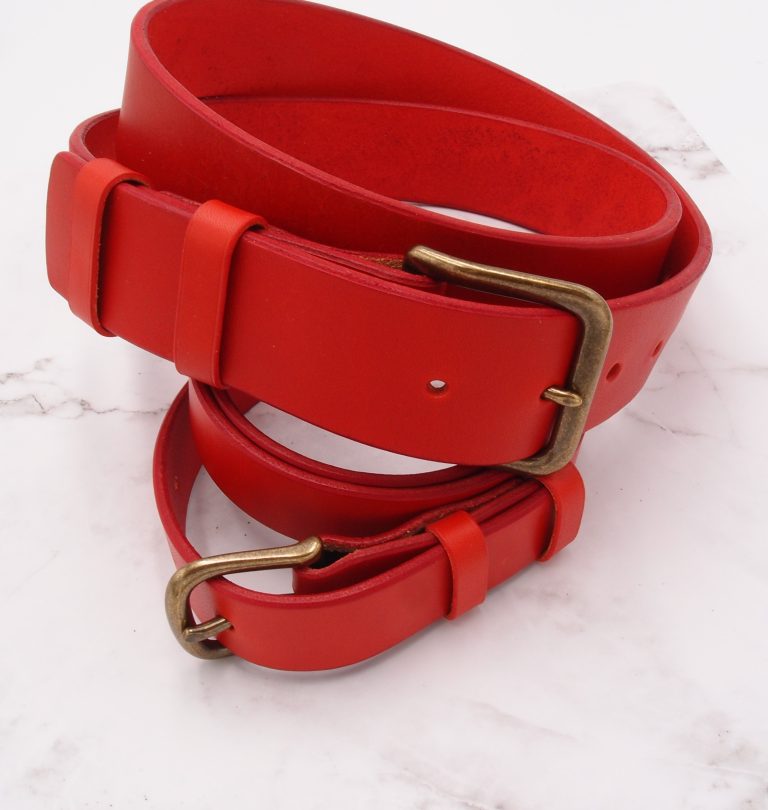
For everyday carry items — wallets, bags, belts, accessories you will use and carry daily for years — vegetable-tanned full-grain leather is the better long-term investment if you care about how the piece ages. The break-in period is real but short. The payoff is a leather good that develops a surface story specific to you, holds up under daily use, and can be maintained and reconditioned over a very long life.
For items where softness out of the box and water resistance are priorities — certain types of shoes, upholstery, items that will see exposure to the elements — chrome-tanned leather has legitimate advantages and is not a poor choice.
At Arbor Trading Post, our choice to use Italian and American vegetable-tanned leather is deliberate. We build pieces in our Ann Arbor workshop that are meant to be owned for a decade or more, not replaced seasonally. Veg-tan is the material that supports that ambition.
Want to understand how leather grades (full-grain, top-grain, genuine) relate to tanning methods? See our guide Full-Grain vs. Top-Grain vs. Genuine Leather for the complete picture.
For care guidance specific to vegetable-tanned leather, our leather care guide covers conditioning, cleaning, and long-term maintenance.
Photo by Chris Barbalis on Unsplash
Interested in how leather is actually made — and what to look for when you buy?
We send occasional notes from our Ann Arbor workshop covering the craft behind our pieces, leather education, and new work. If you want to understand leather better before you spend money on it, this is the right place to start.
Subscribe to the Arbor Trading Post newsletter →